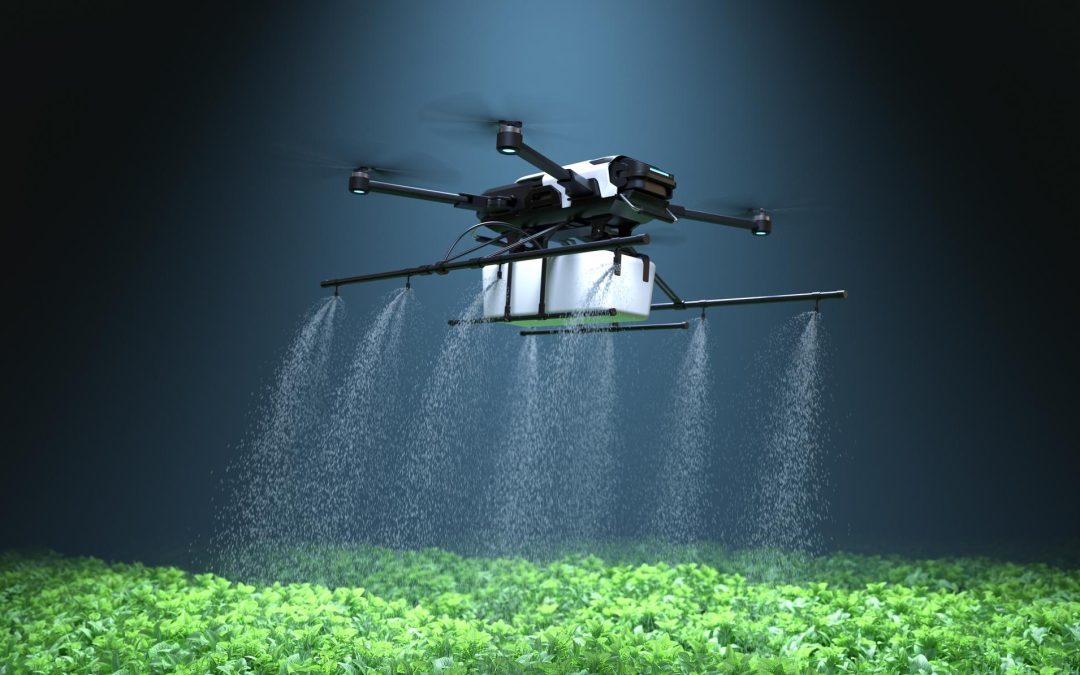
In an era where data reigns supreme, agriculture is no exception. The marriage of data analytics and farming, known as precision agriculture, is transforming the way we cultivate the land. This blog post delves into how the systematic analysis of agricultural data is unlocking new levels of productivity and sustainability in modern agriculture.
The Information Revolution in Agriculture
The proliferation of sensors, satellites, and IoT devices on the farm has ushered in an unprecedented era of data collection. Every aspect of the farming process, from soil composition to crop health, is meticulously recorded. This wealth of information serves as the foundation for making data-driven decisions that optimize resource allocation and maximize yield.
Predictive Insights for Informed Decisions
Through advanced analytics, farmers can now make predictions about future conditions based on historical and real-time data. This enables proactive measures to be taken, such as adjusting irrigation schedules in anticipation of dry spells or implementing pest control measures ahead of an expected infestation. The result? Increased crop resilience and higher yields.
From Big Data to Smart Farms
The integration of artificial intelligence and machine learning algorithms allows for the processing of immense datasets that would be impossible for humans to analyze manually. These algorithms identify patterns, anomalies, and correlations, providing farmers with actionable insights in real time. The transition from big data to smart farms is the cornerstone of modern precision agriculture.
Environmental Sustainability through Precision Agriculture
Precision agriculture is not solely about increasing yields; it’s also about doing so sustainably. By optimizing inputs like water, fertilizers, and pesticides, farmers can reduce environmental impact. Additionally, targeted approaches to pest management and disease control minimize the use of chemical interventions, further promoting ecological balance.
The Democratization of Agricultural Knowledge
With the advent of precision agriculture, knowledge is no longer confined to a select few. Platforms and tools that facilitate data analysis are becoming increasingly accessible to farmers of all scales. This democratization of knowledge empowers farmers with the tools they need to compete on a global scale and contribute to a more food-secure world.
Conclusion
As the world population continues to grow, the demand for sustainable, high-yield agriculture has never been greater. Precision agriculture, driven by data analytics and technology, represents a beacon of hope for meeting this challenge. It is not just a technological advancement; it’s a revolution in the way we nourish the planet. With each harvest, precision agriculture takes us one step closer to a future of abundance and sustainability in agriculture.